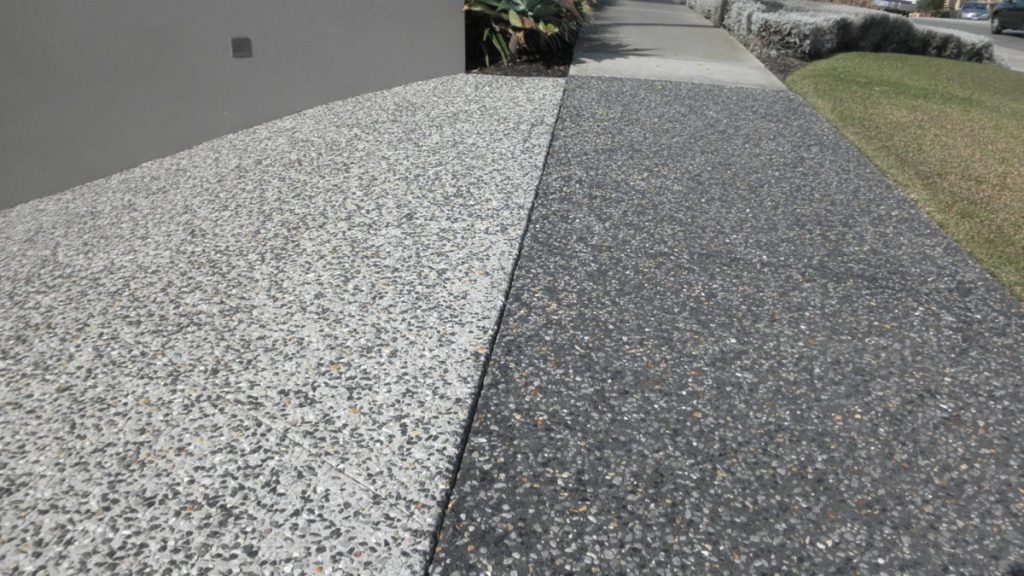

A driveway does more than carry vehicles from the street to a garage. It shapes first impressions, affects footing in wet weather, and absorbs years of tyre pressure, sunlight, and runoff. Exposed aggregate remains a frequent residential choice because it addresses each need with one surface. The finish offers visible stone, reliable traction, and a solid concrete base, giving households a practical entry that still feels considered.
Strong First Impressions
Front entries set expectations before a door even opens. Across many suburbs, exposed aggregate driveways in Melbourne appear on homes where owners want texture underfoot, visual depth across broad paved areas, and a finish that sits comfortably beside brick, timber, render, or darker metal trims. That natural stone exposure softens large concrete zones and gives the facade a steadier, more resolved appearance from the street.
Built for Daily Traffic
Driveways bear repeated weight from cars, delivery vans, bins, bicycles, and constant foot movement. A plain surface can show wear quickly where tyres turn or stop. Exposed aggregate performs well because the concrete slab carries heavy loads, while embedded stone helps shield the top layer from routine abrasion. With proper preparation and correct curing, the result stays serviceable for years without looking tired too early.
Better Grip Underfoot
Surface grip matters on sloped blocks, shaded areas, and entries exposed to rain. Smooth paving can become slick once moisture settles overnight or irrigation drifts across it. Exposed aggregate has a slightly raised texture, which improves traction without feeling harsh under shoes. That balance suits households with children, older residents, or regular guests, where confident footing is part of everyday safety rather than an added extra.
Design Flexibility
Many people assume concrete offers little visual range, yet exposed aggregate proves otherwise. The final look shifts with stone size, colour blend, border detailing, and sealer finish. Some homes benefit from warm pebbled tones that echo garden soil or brickwork. Others suit cooler mixes that sit neatly beside charcoal roofing, steel fencing, or pale render. That choice helps the driveway feel integrated with the house.
Low Maintenance Appeal
Outdoor finishes lose favour when upkeep becomes frequent, costly, or messy. Exposed aggregate stays manageable because basic care covers most needs. Sweeping removes loose grit and leaf litter before stains settle on the surface. Occasional washing clears dirt build-up and keeps the stone colour visible. A fresh seal coat, applied at appropriate intervals, supports surface protection and helps the driveway retain a clean, settled appearance.
Works Across Home Styles
Some paving finishes look convincing on one type of house but feel misplaced on another. Exposed aggregate avoids that problem because natural stone reads as familiar across different forms. It can sit comfortably beside weatherboards, new townhouses, larger custom builds, or renovated brick homes. Borders and joint patterns also help refine scale, giving owners a straightforward way to connect the driveway with paths, patios, and entry steps.
Value Beyond Appearance
A driveway is functional infrastructure, yet buyers still read it as a signal of upkeep. Cracked, stained paving can make the front of a property feel neglected before anyone steps inside. Exposed aggregate supports a better impression because it looks substantial and wears with more grace than many plain finishes. For owners thinking long-term, that combination can strengthen perceived value without relying on decorative extras.
Climate and Local Conditions
Australian homes face intense sun, sudden rain, dust, and seasonal shifts in ground temperature. Those conditions can expose weaknesses in thin or poorly finished paving. Exposed aggregate handles local demands well because the concrete base provides strength, while the textured surface disguises light dirt better than pale smooth slabs. When drainage is properly managed and installation is careful, the driveway remains stable, usable, and visually consistent.
Conclusion
Exposed aggregate remains popular because it addresses several residential needs with a single material choice. It offers grip in wet weather, withstands repeated traffic, and provides a more textured appearance than plain concrete. Households also have room to adjust colour, stone blend, and border detailing so the result suits the surrounding building. That mix of durability, safety, and visual fit explains its steady appeal.