
Choosing the right kind of food for your wedding? It’s a big decision that really shapes the whole vibe of the day. You gotta weigh the pros and cons of both the classic route and the newer, modern styles to figure out what fits best.
Traditional Wedding Catering
Classic Refinement
So, traditional catering usually means a formal sit-down dinner with a set menu. Think established cooking styles and presentation – it gives you that timeless, kinda elegant feel. You know what I mean?
Traditional Menu Selections
- Appetizers: Pretty standard stuff like shrimp cocktail, bruschetta, caprese salad.
- Main Courses: Roasted meats, chicken, or fish, usually with sides like potatoes and seasonal veggies.
- Desserts: Fancy desserts – tiramisu, cheesecake, crème brûlée, that sort of thing.
Advantages
- Structured Dining: Keeps things organized and smooth, especially for a formal event. It just… works.
- Expected Formality: Honestly, a lot of guests like knowing what to expect, and appreciate that traditional elegance.
- Consistent Quality: They’ve been making these dishes forever, so you usually get a reliable, good meal.
Considerations
- Limited Customization: Not always the easiest to tweak the menu or handle lots of different diets.
- Elevated Costs: Yeah, the formality and multiple courses can add up, especially if it’s plated service. Can get pricey.
Modern Wedding Catering
Innovative Approach
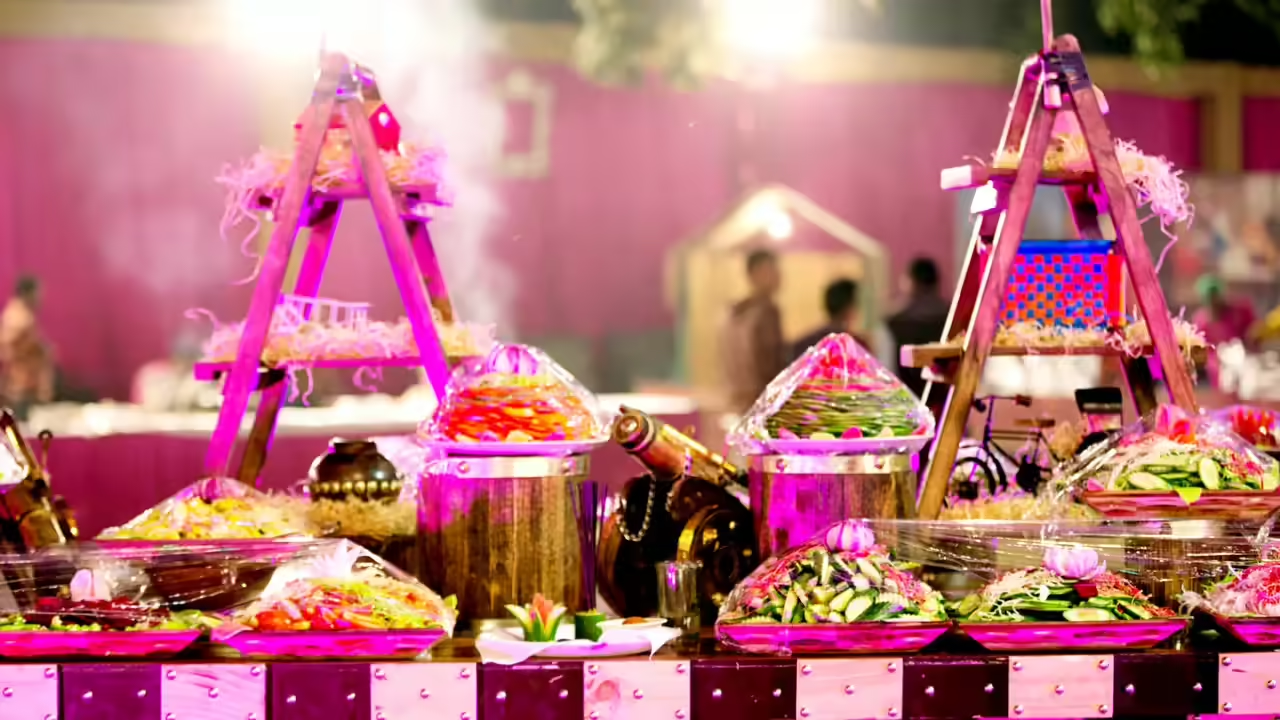
Modern catering is all about being different. Unique presentations, fun interactive stations, way more variety in the food. It’s meant to get guests involved and make the meal memorable, reflecting current food trends. Cool, right?
Modern Menu Selections
- Fusion Appetizers: More creative starters – maybe sushi rolls, mini sliders, avocado toast.
- Interactive Stations: Think taco bars, pasta stations, even gourmet food trucks! Lets people customize their plate.
- Desserts: Trendy sweets like cake pops, towers of macarons, or really good artisanal ice cream.
Advantages
- Customization and Innovation: Tons of options! Way easier to handle different diets or cultural tastes.
- Interactive Engagement: Guests actually do something, which can be really fun with those DIY stations.
- Contemporary and Memorable: Feels current, and honestly, it can be super unique and stick in people’s minds.
Considerations
- Potential Complexity: Might be a bit tricky to coordinate? Making sure all those stations run smoothly takes planning.
- Varied Guest Preferences: Not everyone loves the non-traditional vibe. Some folks might just want a plate put in front of them.
Finding an Optimal Solution
Integrating Elements
Lots of couples go for a mix, actually. Blend traditional and modern bits to please everyone and still keep it classy. Like, maybe a classic main course but with fun modern appetizer stations going on. Best of both worlds?
Guest Considerations
No matter what you pick, you gotta think about your guests. Who are they? What do they eat? Definitely need veggie options, gluten-free stuff… just to make sure everyone’s included.
Cost and Budgeting
Evaluating Expenses
Traditional catering often charges per person, plus extra for service, rentals, staff… it adds up. Modern costs? Well, depends on how complex the stations are, but sometimes offers more wiggle room in the budget.
Budgetary Recommendations
- Prioritize Preferences: Figure out what food aspect matters most to you both and spend there.
- Consult Professionals: Seriously, talk to your caterer! They know the pricing inside out and can help find creative solutions that fit your budget. Worth the chat.
Establishing the Ambiance
Aligning with the Theme
Your food choice should match the wedding’s overall feel and the place itself. A grand ballroom kinda screams traditional, while a cool loft or outdoor spot? Maybe perfect for modern.
Enhancing Guest Experience
- Traditional: Amp it up with fancy table settings, beautiful centerpieces, maybe some classical music playing softly.
- Modern: Go for vibrant décor, those interactive food spots, and maybe some upbeat, contemporary tunes to keep the energy lively.
Conclusion: Selecting the Optimal Approach
At the end of the day, picking between traditional and modern wedding food comes down to what you like, what you can spend, and the overall picture you have for your celebration. Both styles have their strong points and can totally be tweaked to fit your needs, making sure your guests have a great time and remember the food.
By really thinking through each option, maybe even mixing them, you can create a wedding feast that feels like you and leaves everyone happy – and talking about it for ages.